Shimmer in the shade with ‘Pictum’. The silver-purple sheen that covers the plant is what makes it an irresistible addition to the garden. Prefers moist soils on the woodland edge yet will tolerate more sun in cooler climates. PPA Plant of the Year 2004.
This impressive shade lover is one of the most tolerant ferns you can grow while providing a subtle injection of color into an area that may need a little shaking up at times! Lacy, deep green fronds are held aloft by vibrant burgundy stems to create a bi-color fountain effect in the landscape that is outstanding and loaded with texture. ‘Lady in Red’ forms a sizeable clump as it matures and provides excellent cover to a number of native songbirds while providing nesting material from dried fronds. Plant it in groups in moist soils for best performance but ‘Lady in Red’ is one of the most tolerant ferns of slightly drier soils, too!
This early blooming beauty will captivate you with mounding, deeply cut, lustrous, dark green foliage and an ample display of airy, pale pink flower spikes starting in mid to late May and continuing into late June.
Many people think there is no better red flowering Astilbe that ‘Fanal’ but we think that ‘Montgomery’ is far superior. Its deep red flower color in early June is richer and more vibrant that ‘Fanal’ but that’s only the start of what makes this plant stand out. Its foliage is incredible! It emerges from the ground bronzy red in the early spring and, even as it matures to a deep, lustrous green as the spring progresses, it retains an infusion of red color that makes it jump at you from the landscape and enhances its red flower color. It’s a perfect plant for partial shade and moist, well-drained soil and is a knockout when planted in groups. Watch for even more color as the hummingbirds make a bee-line to the open flowers!
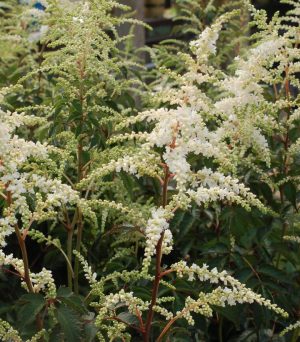
Deutschland’ Astilbe starts the spring with a mound of bronzy, deep green foliage. This deeply cut foliage provides great texture for any shady area spring through fall and provides a stunning backdrop for creamy white plumes that rise above the foliage and open in late June attracting nectar seeking hummingbirds and butterflies. ‘Deutschland’ thrives in moist, shady locations and is popular for border plantings or alongside water areas. Its magnificent blooms are superb for both fresh or dried flower arrangements while its dark foliage blends seamlessly with small to medium size gold-leafed hostas or ferns. Plant this deer, rabbit, slug and rodent resistant beauty in groups for maximum impact. In order to keep Astilbe looking good for the next year, do not cut it back in the winter, (the old foliage helps protect the plant from winter damage), but prune in early spring.
Same small habit like all chinensis-type Astilbes, but an incredible new flower color! Deep red buds open to pinkish-red flowers, these will surely brighten up the garden as many plants start to fade at the end of the summer. Blooms July-August.
Broad leaves with deep cuts are what make this variety different from the others. Not to mention the incredibly bright lilac-purple flowers that bloom all summer. A shorter, more compact form allows for ‘Visions’ to be planted anywhere you have a shady gap to fill. Blooms July-August.
Fanal’ adds some color to the shaded landscape with red foliage in the spring that transistions to green for the summer months and that’s just the foliage. The deep red flowers top the lacy green foliage in the hot summer months. A great selection for the shaded garden especially useful in woodland areas or where deer browsing is a concern since deer and rabbits tend to leave Astilbe’s alone. Thrives even in the darkest shade.
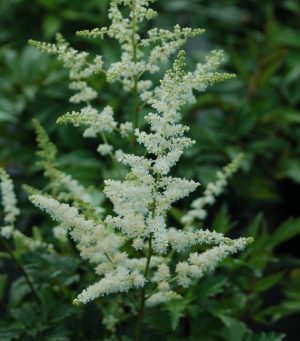
You’d love this plant just for its foliage as ferny, shiny mounds of foliage form a beautiful tussock of green in a partial shade area. In June, flower spikes rise above the foliage and reveal airy, pure white blooms that contrast sharply with its foliage through late July, lighting up any corner of the landscape.
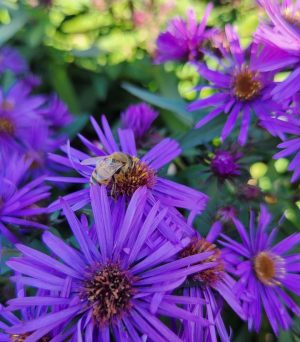
‘Purple Dome’ is a ‘must-have’ plant for the late summer and fall garden. It is simply one of the best blooming fall Asters and it’s one of the densest with its naturally dwarf form keeping it from sprawling out of control and looking messy like many other Asters can. ‘Purple Dome’ is the picture of neatness with tight branching swathed in small, deep green, strap-like foliage. Once early September hits, this neat form is coated with an exquisite veneer of 2″ diameter, deep purple, yellow centered daisies that will demand your attention. The show continues well into October making it one of those fall bloomers that will leave you with a warm feeling for your garden right on through the cold winter.
Like its relative, Asclepias incarnata, this plant is essential to attracting Monarch butterflies to the landscape but, unlike incarnata, it likes a much drier spot and, since its profile is lower, a spot closer to the front of the garden. This drought tolerant American Beauties gem also flowers differently with umbels of small orange flowers that emerge in mid-July and continue into August. Like its relative, Butterfly Weed is a caterpillar food source for Monarchs and a nectar source for adult Monarchs and other butterflies and their mere presence in the landscape guarantees landscape color other than flowers. Even the birds love this plant for its seed fluff that provides nesting material!
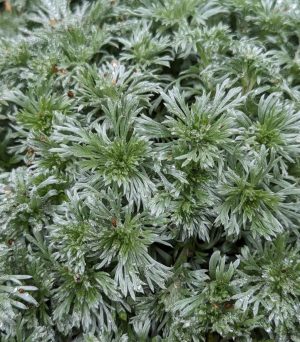
Velvety silver cushions look fabulous in rock gardens, borders or as a mass planting. Although requiring full sun, ‘Silvermound’ will have a tendency to “melt out” if overexposed to heat and humidity. Cut back to rejuvenate. Bloom insignificant.
This beautiful looking native groundcover has an incredibly refined look for a plant that revels in poor, dry, infertile soils. ‘Massachusetts’ is a nearly prostrate grower with small, lustrous, deep green evergreen foliage that hugs the branches, providing a spreading carpet of lushness in the garden. This selection loves full sun or partial shade and is extremely easy to grow as long as it is planted in a location with very well-drained soil. Along with its beauty, it provides a myriad of wildlife food and shelter with small native bees zeroing in its small, showy, white tinged pink flowers while birds and other small critters love its ample supply of plump red berries that cover the plant in late summer and fall. Even bigger critters love the berries. One of its common names, Bearberry, comes from the fact that even bears love to snack on its fruit!! This plant is exclusively offered to American Beauties program.
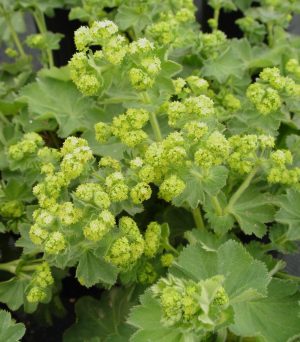
Gray-green leaves are captivating when filled with droplets of a morning dew. A good edging plant or groundcover, it requires moist soil. Small yellow-green flowers produced in late spring.
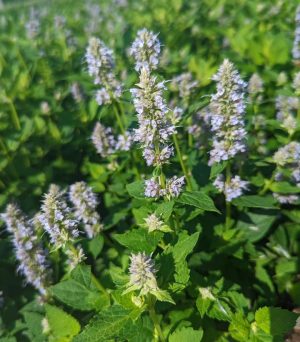
Unbelievable when in flower! This tough and vigorous grower will become a 4′ tall beast in no time. Add countless flowers of violet-blue, the licorice fragrance of the foliage, and you have no reason not to have one of these in your garden. Attracts bees and butterflies. Excellent cut flower. Prefers average to dry soils. Blooms July-September.